What 13 Years of Property CGI Taught Us About What Buyers Actually Need
At a glance…
A good CGI brief needs four things: what the property looks like (drawings), what it is made of (specification), how the images will be used, and what feeling they need to create. Everything else flows from those four things.
The most common and costly mistakes: sending the brief before drawings are finalised, assuming the studio remembers your brand guidelines, leaving the revision process undefined, and giving feedback by phone without a written record.
Decide before you brief: how many images and which views, which specification level you are showing, who has sign-off, and what the actual deadline is - not the aspirational one.
The best briefs are not the most detailed ones. They are the ones where the client has thought carefully about what the images need to achieve commercially - not just what the building needs to look like.
There is a version of this that every CGI studio has experienced.
The brief arrives. It is enthusiastic, well-intentioned, and contains three words of actual instruction: can you quote?
Attached are two images from a competitor's brochure, a rough sketch that may or may not be to scale, and a note that says the client needs it by Friday.
Nobody is at fault here. Most housebuilder marketing teams are not trained in how to brief a CGI studio - why would they be? It is not something that comes with the job description. And most studios, frankly, do not do enough to explain what they actually need upfront.
The result is a first round of renders that misses the mark, a revision cycle that runs longer than it should, and a launch date that starts to look optimistic.
This post is an attempt to fix that. Here is exactly what a good CGI brief looks like - and what the most common mistakes cost you.
What A CGI Studio Actually Needs from You
Before a single model is built, your studio needs to understand four things: what the property looks like, what it is made of, how the images will be used, and what feeling they need to create.
Everything else flows from those four things.
What the property looks like
This means architectural drawings. CAD files, PDFs, or DWGs - ideally all three. Floor plans, elevations, and sections at minimum. If you have a site plan showing the plot in context, include it. If you have a planning application pack, send that too - it usually contains everything the studio needs to understand the scheme.
Do not send rendered images from another studio and ask for something similar. Send the drawings. The imagery is the output, not the input.
What it is made of
This means your materials and specification schedule. Brick references, roof tile colours, window frame finishes, door styles, driveway surfaces, landscaping intent. If you have supplier specifications, include them. If you have brand guidelines that govern colour palette or typography on signage, include those too.
The most common briefing gap is materials. A studio can model a building from drawings alone - but without specification, they are making educated guesses about what it will look like. Guesses produce revisions. Revisions cost time.
How the images will be used
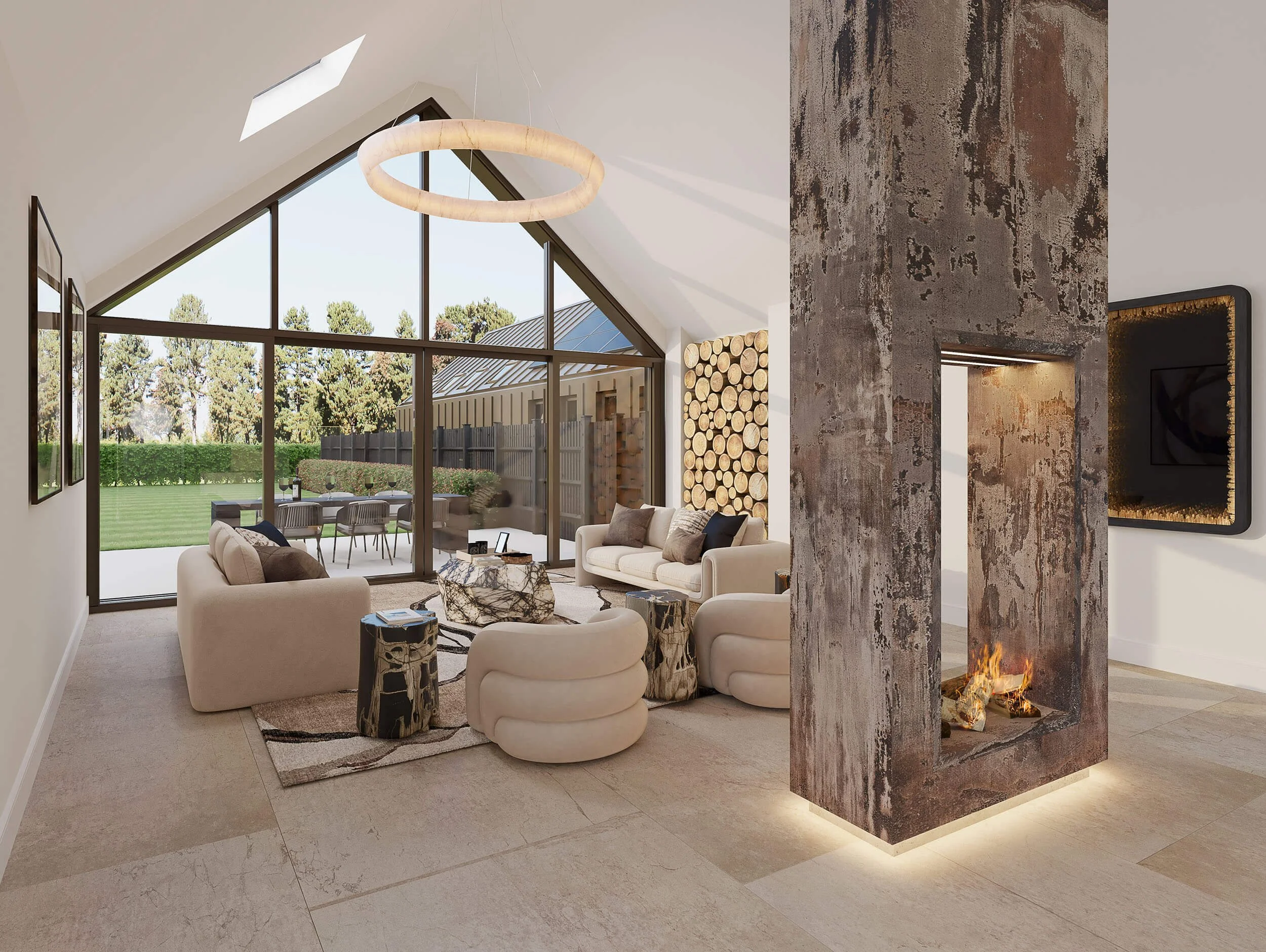
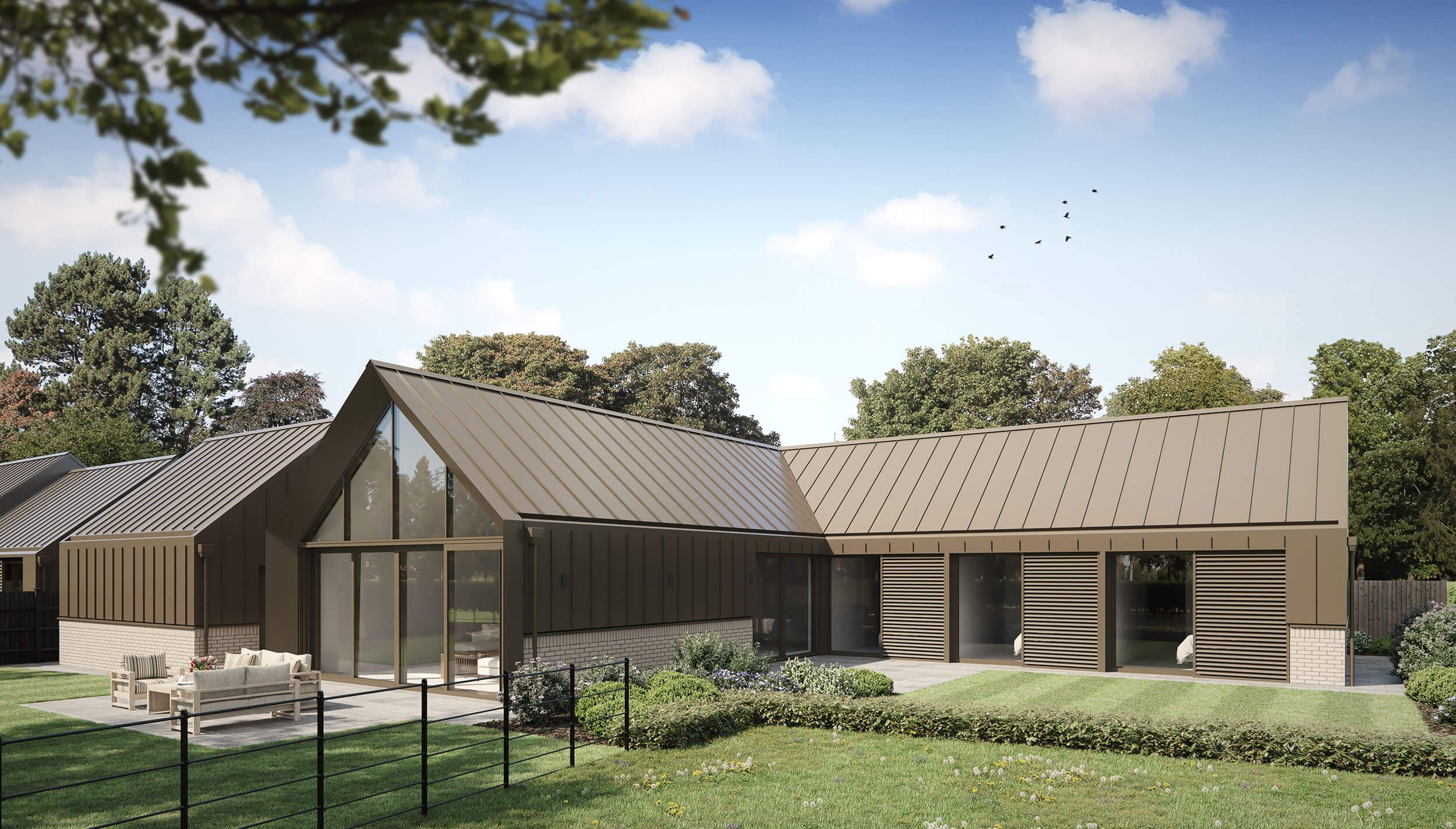
CGI for a planning application and CGI for a sales brochure are different things. Planning imagery prioritises accuracy and context - it needs to show the building as it will be built, within its real surroundings, with accurate proportions and materials. Marketing imagery leans into the demographic - it prioritises light, lifestyle, aspiration and the emotional response that makes a buyer want to be there.
Tell your studio which is which. Tell them who your target audience is and whether the images are going on hoardings, in a brochure, on portals, on social media, or in a sales suite touchscreen. Format, resolution, and composition all change depending on the answer.
What feeling they need to create
This is the brief within the brief, and it is the one most clients skip.
A development of executive homes in a rural setting needs to feel different from an urban apartment scheme aimed at first-time buyers. A retirement community needs to feel different from a family housing development. The light, the landscaping, the time of day, the presence or absence of people, the styling of the interior - all of these are decisions that shape the emotional register of the final image.
Your studio should be asking you about this. But if they don't, you should be telling them anyway.
The Decisions to Make Before You Brief
There are several decisions that, if left unmade at the briefing stage, will slow everything down later. Make them before you send the brief.
How many images and which views?
Be specific. A front elevation of the housetype is not the same as a street scene. A dusk render is an additional commission to a daytime exterior. Interior room sets are separate from exterior CGIs. Agree the scope upfront and get it in writing.
What specification level are you showing?
If you are producing imagery for a development with standard and premium specification options, decide which one you are rendering. Showing the premium spec in the CGI and delivering the standard spec to buyers is a problem that starts in the brief.
Who has sign-off?
This sounds administrative but it matters enormously. If five people need to approve the final imagery, the revision process will expand to accommodate all five opinions. Agree who has final sign-off before the first render is produced - and make sure that person is available during the revision cycle.
What is the actual deadline?
Not the aspirational deadline. The actual deadline - the date by which the images must be live, in print, or on a hoarding. Work back from that date with your studio and agree a realistic production timeline. A good studio will tell you honestly if the timeline is achievable. If they don't, ask.
The Most Common Mistakes - And What They Cost
Sending the brief before the drawings are ready
This happens more often than you would think. A marketing team starts briefing CGI before the architectural drawings are finalised, because the launch date is fixed and the timeline is tight. The studio begins work on the available drawings, changes come through, and everything produced so far needs to be rebuilt.
The fix is simple: do not brief until the drawings are at a stage where major changes are unlikely. Minor amendments mid-production are normal. A fundamental redesign is not.
Assuming the studio knows your brand
Even if you have worked with a studio before, do not assume they remember the details of your brand guidelines. Send them again. Every time. It takes thirty seconds and it prevents a revision cycle.
Leaving the revision process undefined
Agree upfront how many rounds of revisions are included in the commission and what constitutes a revision versus a new instruction. Changing a window colour is a revision. Changing the housetype is a new instruction. Studios that don't define this upfront tend to have difficult conversations later. So do clients.
Giving feedback by phone without a written record
Verbal feedback gets misremembered. Always follow up a phone conversation with a written summary of what was agreed - even a brief email is enough. Your studio should be doing this too, but if they are not, do it yourself.
What a Good Studio Does with a Good Brief
When the brief is complete - drawings, specification, usage, scope, deadline, sign-off - a good studio will do two things before producing any imagery.
First, they will ask questions. Not because the brief is unclear, but because the questions that come from an experienced studio reading your drawings are often the ones that save you from problems further down the line. A window that doesn't match the structural detail. A landscape scheme that conflicts with the site plan. A material reference that has been discontinued by the supplier.
Second, they will give you a realistic timeline and a clear revision process. Not the timeline you want to hear - the timeline that reflects the actual work involved.
That combination - questions upfront, clear process throughout - is the difference between a studio that delivers on time and a studio that doesn't.
One Final Thought
The best briefs we receive at White Crow Studios are not the most detailed ones. They are the ones where the client has thought carefully about what the images need to achieve commercially - not just what the building needs to look like.
When a marketing manager tells us that the development needs to sell to downsizers who want a rural setting but not isolation, or that the target buyer is a growing family who will stretch their budget for the right kitchen - that is the information that shapes the imagery that converts.
A brief is not just a technical instruction. It is the commercial context that makes the difference between an image that looks correct and an image that works.
If you would like to talk through your next brief before you commit to anything - or if you have a development coming up and are not sure where to start - we are always happy to have that conversation.